| Effect of Moscow and BEA on Other Colors |
 |
 |
 |
 |
 |
 |
 |
 |
 |
|
|
 |
 |
 |
| This column contains the same color plus the Moscow gene showing the impact of Moscow on that gene or gene combo |
| This column contains the same color plus the BEA gene showing the impact of BEA on that gene or gene combo |
| This column contains the color listed |
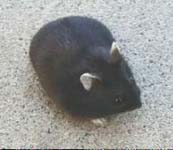
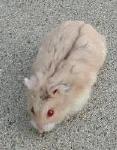
| The purpose of these pages is to demonstrate the effects of the Moscow gene and of the Black-eyed Argente (BEA) gene on other color genes or gene combinations. Since the Moscow gene and the BEA could be easily confused, the chart is a combined chart with the effect of each gene displayed in the same row for comparison. |
| Normal (AA) |
| BEA (bb) |
| Moscow |
| Argente (pp) |
| Moscow-Argente |
| Beige (bbpp) |
| Albino (cc) |
| Moscow-Albino |
| BEA-Albino (bbcc) |
| Black (aa) |
| Moscow-Black |
| Chocolate (aabb) |
| Opal (dd) |
| Moscow-Opal |
| Lilac Fawn (bbdd) |
| Since neither gene is on the c locus, there is no change in phenotype when either gene is combined with albino. |
 |